Another Rail Franchise Returns to Public Hands: West Midlands Nationalisation Complete
West Midlands Railway and London Northwestern Railway have become the latest operators to return to public ownership, bringing services across Birmingham, Liverpool and London under government control. We examine what this means for passengers.
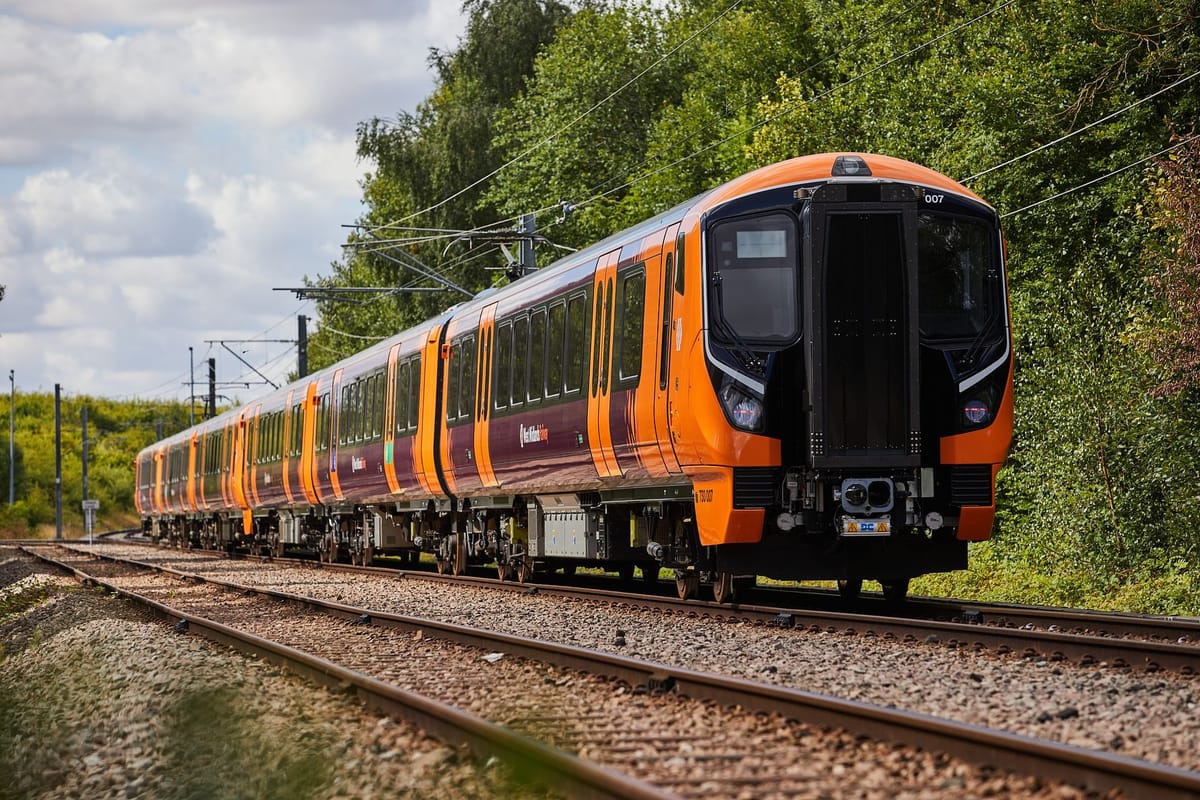
West Midlands Railway and London Northwestern Railway have become the latest train operators to return to public ownership, marking another step in the government's gradual renationalisation of Britain's railways.
The transfer completed this week, bringing services across the West Midlands, Staffordshire, Cheshire, Liverpool, and London under government control through the Department for Transport's Operator of Last Resort.
The Quiet Nationalisation Continues
Transport Secretary Heidi Alexander confirmed the move, stating: The thousands of passengers who travel with London Northwestern and West Midlands Railway will be using services that are owned by the public and run with their interests at heart.
The change affects two distinct service groups:
- West Midlands Railway: Local services across Birmingham, Coventry, Wolverhampton, and the wider West Midlands
- London Northwestern Railway: Long-distance routes from London Euston through Watford, Milton Keynes, Northampton, and Birmingham to Liverpool Lime Street
Why This Matters
The renationalisation aligns with the government's manifesto commitment to bring privately operated train franchises back into public ownership. The Department for Transport has cited consistent underperformance by private operators as a key driver for the policy.
Official data suggests publicly-owned operators already perform better on key metrics. A recent parliamentary response noted that publicly-owned DfT train operators achieve higher punctuality ratings and lower cancellation rates than those still under private operation.
The Passenger Experience
For regular users of these services, the immediate changes may be subtle. The same staff remain in post, and timetables continue unchanged for now. However, passengers can expect:
- Simplified fares structure planned as franchises consolidate into Great British Railways
- Improved reliability targets with public accountability
- Long-term investment commitments rather than short-term franchise cycles
The Bigger Context
This transfer follows the nationalisation of ScotRail in 2022, Transport for Wales operations in 2021, and the Operator of Last Resort's previous takeovers of LNER, Northern, and Southeastern.
The move comes at a critical time for West Midlands rail infrastructure. Major works at Manchester Piccadilly (February 14-22) will significantly impact cross-country services, while the Coventry to Nuneaton line upgrades continue throughout 2026.
Looking Forward
As legislation to establish Great British Railways moves through Parliament, these piecemeal nationalisations represent an interim solution. The ultimate goal remains a unified national railway with simplified fares, consistent standards, and direct public accountability.
For West Midlands passengers, the question is not whether nationalisation is good or bad in theory, but whether it delivers tangible improvements to the daily commute. Only time and performance data will provide that answer.
Sources
- BBC News - West Midlands Railway joins publicly owned Great British Railways
- GOV.UK - London Northwestern Railway and West Midlands Railway services return to public ownership
Published: 5 February 2026. Category: UK Rail. Reading time: 4 minutes.


Comments ()