Ghost Platforms of the London Underground: A Visitor
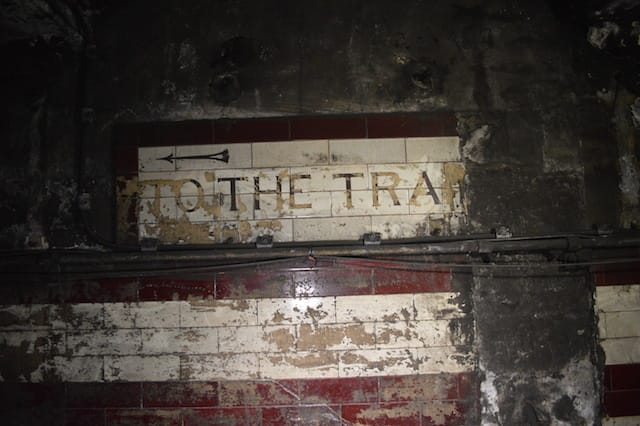
London's Underground contains closed stations and abandoned platforms that exist as frozen snapshots of different eras. Some are visible to observant passengers. Others hide behind unmarked doors. Understanding what to look for adds a layer of discovery to routine journeys.
What Is a Ghost Platform?
Ghost platforms are disused sections of operational stations. They may be sealed-off platforms, bricked-up tunnels, or entire station levels closed decades ago. Unlike standalone abandoned stations, they remain physically connected to working infrastructure.
Where to Spot Them
**Charing Cross:** The Jubilee line platforms closed in 1999 when the line was rerouted via Westminster. They remain intact behind locked doors, occasionally used for filming. Passengers changing between Bakerloo and Northern lines walk past the sealed entrances.
**Euston:** The old Charing Cross, Euston and Hampstead Railway platforms, closed in the 1960s, still exist beneath the current station. Their surface buildings vanished during redevelopment, but underground remnants persist.
**Holborn:** The Aldwych branch platform, closed in 1994, remains accessible via a side corridor. London Transport Museum occasionally opens it for tours. The platform retains its 1930s tiling and signage.
**King's Cross St Pancras:** The original Metropolitan Railway platforms, superseded by deeper lines, still exist at a higher level. Some are used for storage. Others simply sit empty, visible through gaps in modern construction.
Why They Matter
These spaces preserve architectural details from different Underground eras. Edwardian tiling, 1930s fonts, and wartime modifications survive where modernised operational stations have lost them. They represent the palimpsest nature of London itself, layers of history visible to those who know where to look.
Safety and Access
Ghost platforms are not officially accessible. Entering them without authorisation constitutes trespass on railway property. The occasional London Transport Museum tours offer legal access to selected sites. For casual visitors, the satisfaction comes from spotting the visible remnants during legitimate journeys.
Look for bricked-up archways, ventilation grilles at odd angles, and corridors that end abruptly in modern walling. These are the telltale traces of spaces that once served thousands of daily passengers.



Comments ()