Sadiq Khan's Secret Rail Power? The Law That Could Change London Infrastructure
Section 4 of the Railways Act 1993 grants the Mayor of London substantial powers over rail services in the capital. We examine how Sadiq Khan could use this little-known legislation to reshape London's transport infrastructure and what it means for commuters.
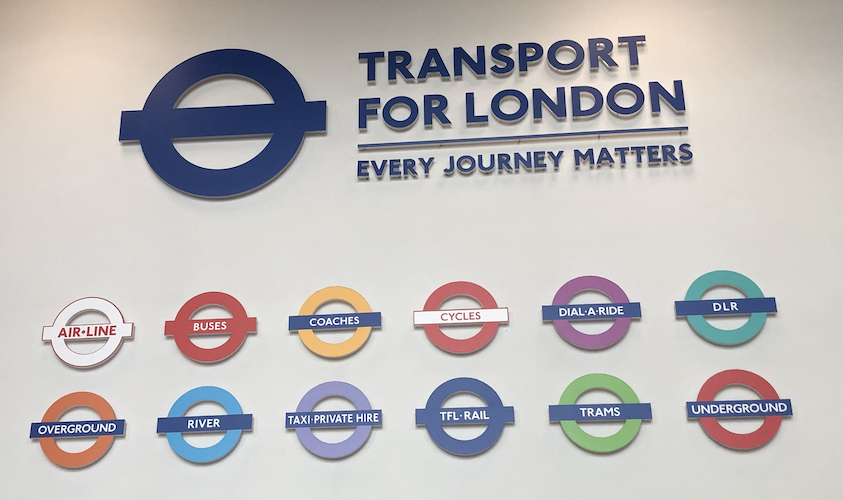
A quiet amendment to the English Devolution Bill has just handed Sadiq Khan a potential "golden key" to London's transport future. In a move that could bypass years of Whitehall deadlock, the Mayor of London may soon have the legal authority to approve major Tube and rail projects without waiting for a green light from the Transport Secretary. This shift in power could be the catalyst that finally unlocks the city's most stalled infrastructure dreams.
The Bakerloo Line Extension: No Longer a Pipe Dream?
For years, the extension of the Bakerloo line into South East London has been held back by funding disputes and central government hesitation. Under these new powers, City Hall could theoretically move projects from the planning stage to active development with far more autonomy. This is not just about local pride; it is about a fundamental change in how London builds its backbone.
Bypassing the Transport Secretary
The core of the "Secret Rail Power" lies in the ability to sign off on Transport and Works Act orders internally. Previously, the Mayor had to petition ministers for the right to build. If this bill passes its final readings in its current form, London will move closer to the level of autonomy seen in cities like Paris or Berlin. The impact on infrastructure speed could be transformative.
Infrastructure vs. Economics
Of course, power to approve is not the same as power to pay. While the Mayor might gain the right to say "yes" to a project, the funding gap remains a significant hurdle. However, having the legal authority to commit to a route and start procurement is a massive strategic advantage when negotiating with private investors and developers. London is watching closely to see if this bill marks the end of the "Wait for Whitehall" era.
Comments ()